
Product Inspection Equipment
Top of the line checkweighing, x-ray, and metal detection systems from Thermo Fisher
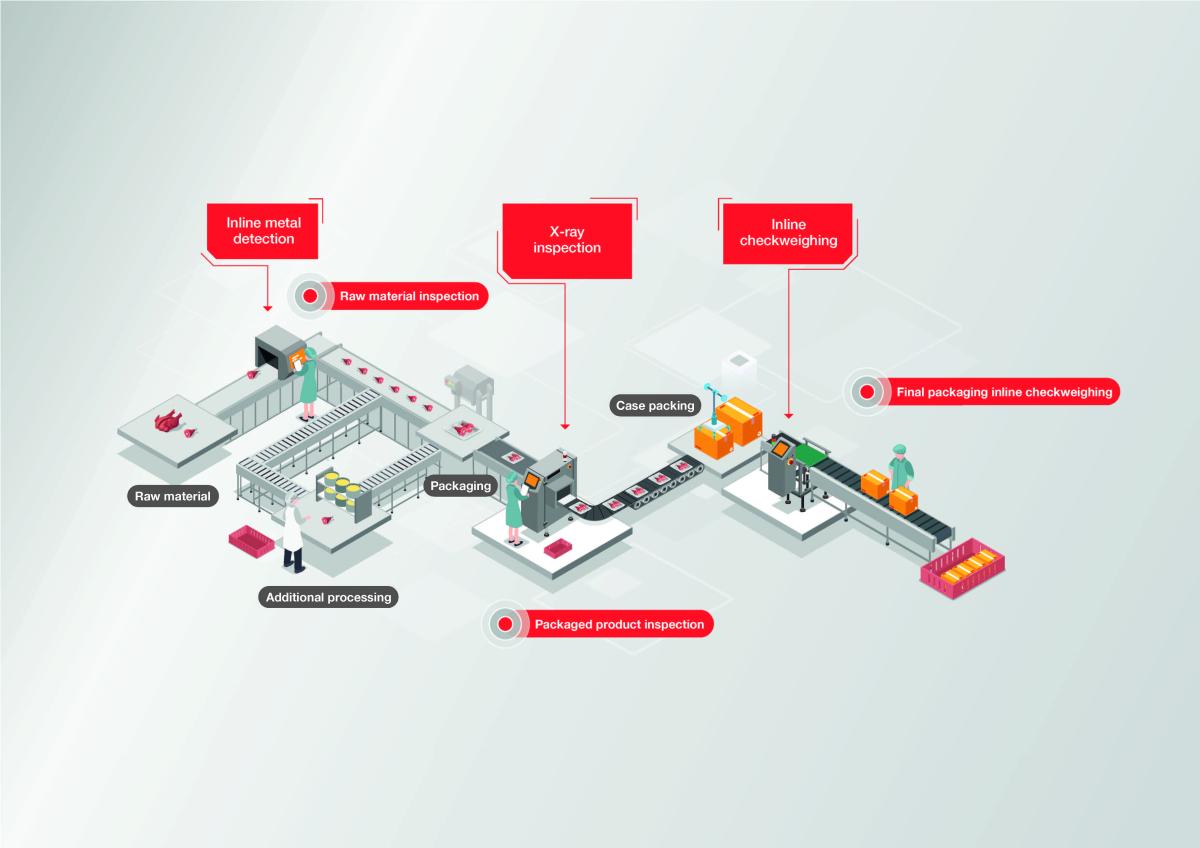
The proper inspection equipment is crucial for avoiding recalls, ensuring safety, and giving you peace of mind that your products, from food to pharmaceuticals, have been thoroughly inspected.

Common Questions
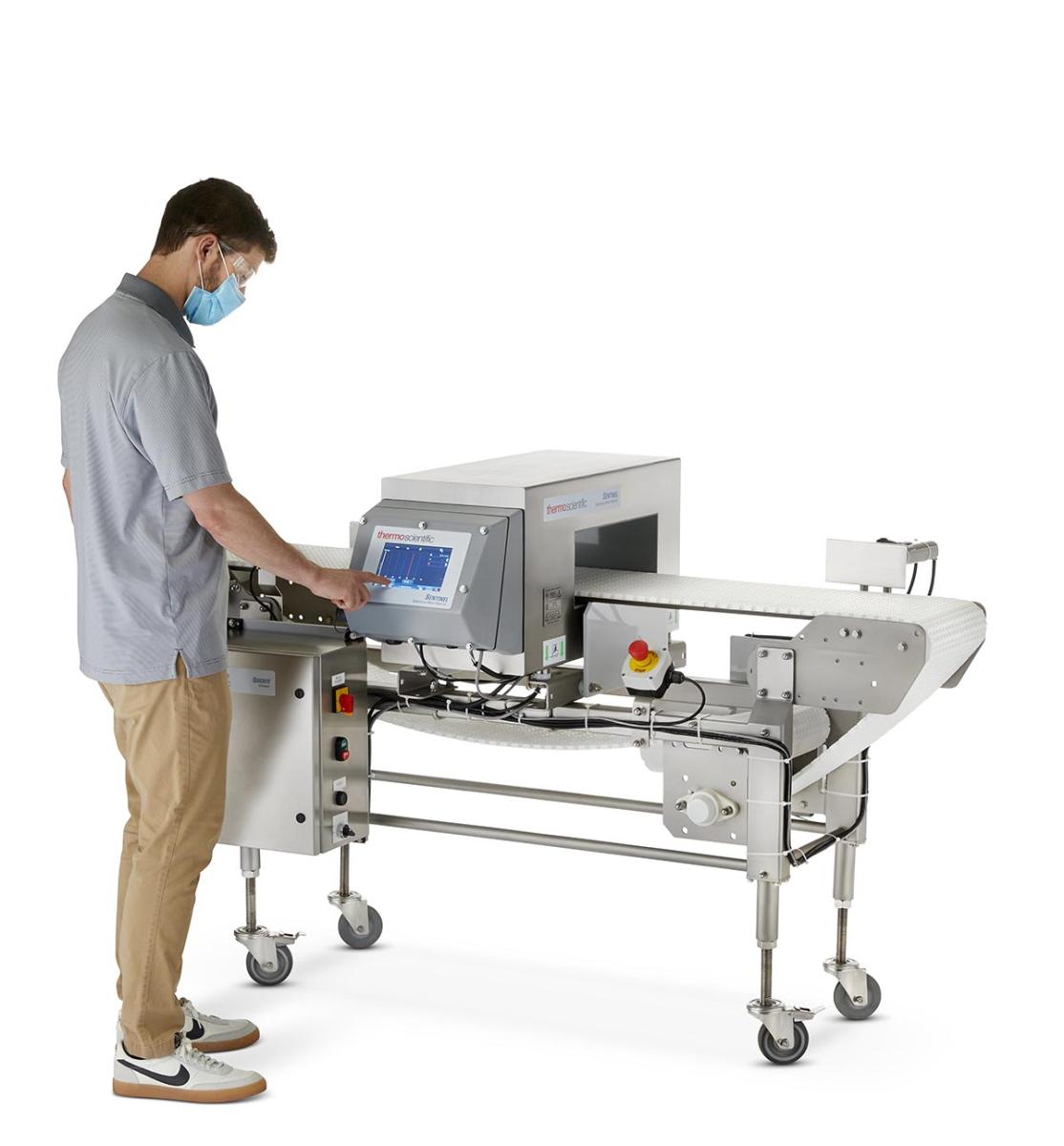
Our standard metal detection systems have been designed to handle packages up to 20 inch wide by 40 inch long with a minimum of 10 inch height. However, we specialize in customizing a solution to your specific environment.
Metal contamination is a problem in every industry, but especially in food processing. Metal contaminants can come from a variety of sources, such as manufacturing processes, machinery, raw materials, human error, and more. In addition, some packaging materials contain small amounts of metal. Even though these levels are low, they can still contaminate your products. Many businesses get away without using detection systems, but our philosophy is, better safe than sorry.
The most common foreign contaminants and objects in food packaging are metal, glass, stone, plastic, and bone. Metal is the most common contaminant as it can be very hard to detect with the human eye. Glass, stones, and bones are fairly easy to spot but they are not always visible. Plastic is a little more difficult because it can look like any other material, such as paper or wood. That's why it is important that you inspect every package thoroughly.
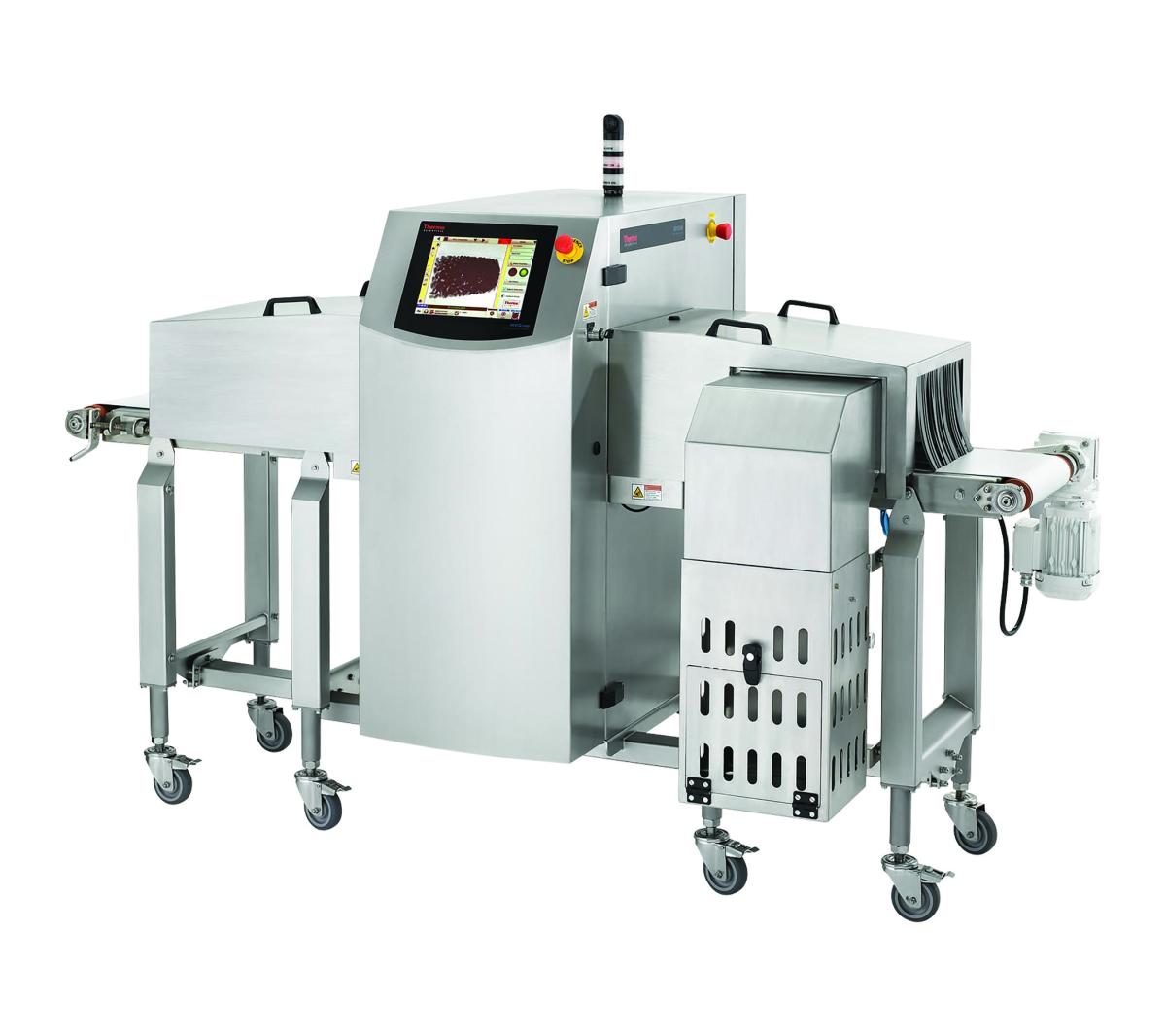
A metal detector detects only metallic objects, whereas an x-ray inspection system detects all nonmetallic materials including glass, stones, bone, plastic, and paper. The x-ray inspection system will pick up on all types of foreign objects, which means no matter what type of material is inside the box, it will alert you of the contaminant.
If you want to ensure that your product is free of foreign objects, then an x-ray inspection is your best choice. Metal detection equipment is only specialized to find metal objects. X-ray inspection allows you to see everything inside the food packaging. It doesn't matter if there is something inside the package that isn't metal. An x-ray machine will show you all the contaminants that could spoil the package.
In short; x-rayed food is completely safe. X-ray technology uses electromagnetic waves to create images of objects. These waves pass through matter, such as food, and interact with electrons within the atoms of the material. As a result, the radiation interacts with the atoms and creates an image. An x-ray machine works by passing an electric current through a tube filled with a special type of metal called cesium. When the electricity passes through the cesium, it produces x-rays. These x-rays travel through the object being scanned and hit a detector. The detector converts the x-rays into electrical signals that can be analyzed. Having an x-ray inspection system is as harmless as getting an x-ray at the dentist.


